English
 العربية
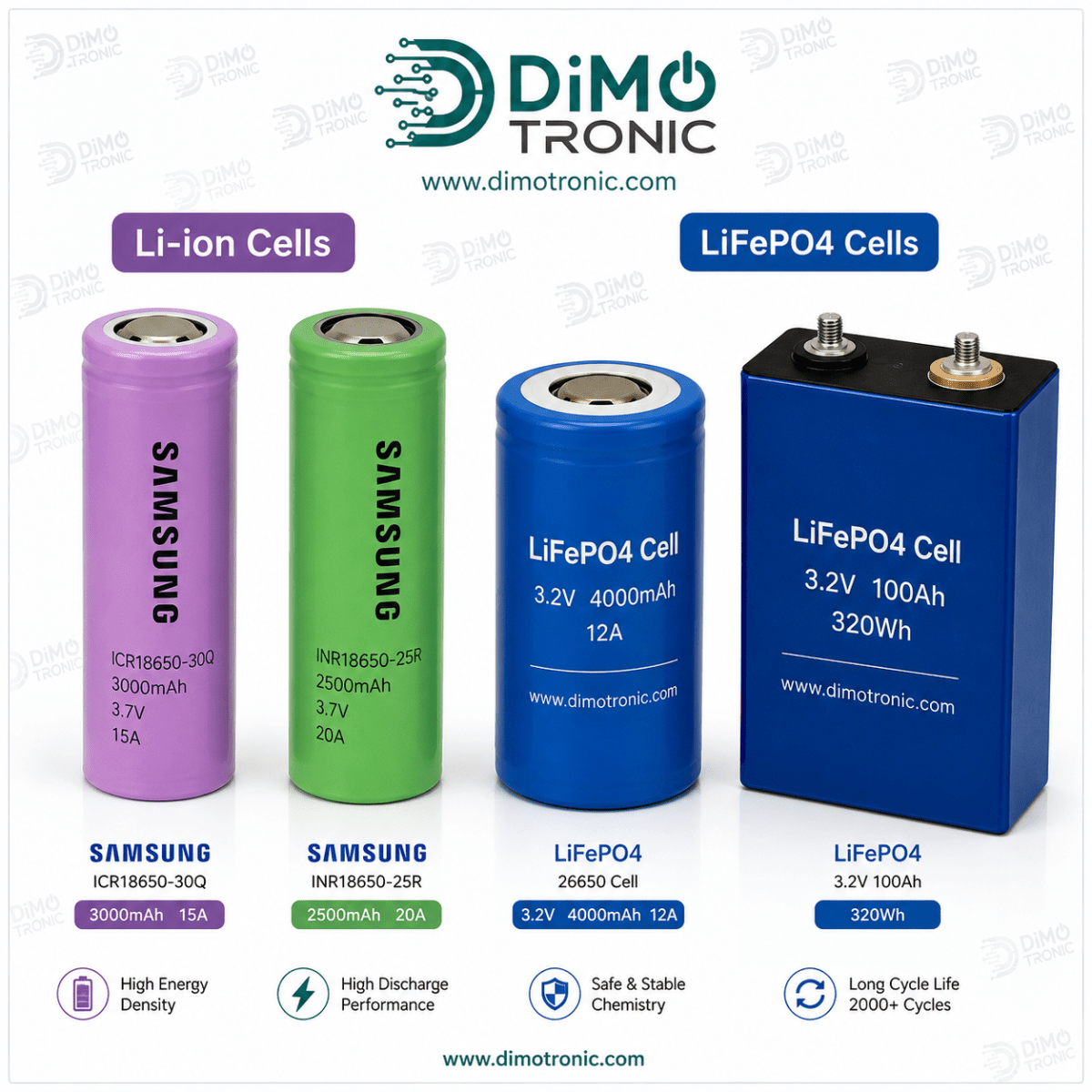
The difference between Li-ion and LiFePO4 batteries: Which is better and why?
Li-ion vs LiFePO4 Batteries: What's the Difference?


4
Lithium batteries have become the preferred power source for a wide range of applications, from smartphones and laptops to solar energy storage systems and electric vehicles. Among the most common lithium battery technologies are Lithium-Ion (Li-ion) and Lithium Iron Phosphate (LiFePO4).
Although both belong to the lithium battery family, they differ significantly in terms of energy density, lifespan, safety, charging characteristics, and ideal applications. Understanding these differences helps users choose the right battery for their specific needs.
What is a Li-ion Battery?
A Lithium-Ion (Li-ion) battery is a rechargeable battery that uses lithium compounds such as:
- Lithium Cobalt Oxide (LCO)
- Lithium Nickel Manganese Cobalt (NMC)
- Lithium Nickel Cobalt Aluminum Oxide (NCA)
Li-ion batteries are well known for their high energy density, allowing them to store more energy in a compact and lightweight package.
Advantages
- High energy density
- Lightweight and compact
- Excellent for portable devices
- Widely available
- Fast charging capability
Disadvantages
- Shorter cycle life compared to LiFePO4
- More sensitive to high temperatures
- Requires an effective Battery Management System (BMS)
- Higher risk of thermal runaway if damaged or improperly charged
What is a LiFePO4 Battery?
LiFePO4 (Lithium Iron Phosphate) batteries use lithium iron phosphate as the cathode material. While they offer a slightly lower energy density than conventional Li-ion batteries, they provide outstanding safety, long service life, and excellent thermal stability.
Advantages
- Extremely long cycle life
- Superior safety
- Excellent thermal and chemical stability
- High tolerance for deep discharge
- Ideal for daily charging and discharging applications
Disadvantages
- Lower energy density
- Larger and heavier for the same capacity
- Higher initial purchase cost in many cases
Li-ion vs LiFePO4 Comparison
| Feature | Li-ion | LiFePO4 |
|---|---|---|
| Nominal Cell Voltage | 3.6–3.7 V | 3.2 V |
| Full Charge Voltage | 4.2 V | 3.65 V |
| Energy Density | High | Medium |
| Weight | Lighter | Slightly heavier |
| Cycle Life | 500–1,000 cycles | 2,000–6,000+ cycles |
| Safety | Good | Excellent |
| Thermal Stability | Moderate | Excellent |
| Charging Speed | Fast | Fast |
| Initial Cost | Usually lower | Usually higher |
| Long-Term Value | Moderate | Excellent |
Cycle Life
One of the biggest differences between these battery technologies is their lifespan.
- Li-ion batteries typically last between 500 and 1,000 charge cycles, depending on the battery chemistry and operating conditions.
- LiFePO4 batteries commonly provide 2,000 to 6,000 charge cycles, with premium cells capable of exceeding this under optimal conditions.
For applications requiring daily charging and long-term reliability, LiFePO4 offers a significantly lower cost of ownership over time.
Safety
Safety is a major advantage of LiFePO4 batteries.
Their chemical composition is much more stable than many conventional Li-ion chemistries, making them far less susceptible to thermal runaway, overheating, or fire when properly designed and managed.
While all lithium batteries should be used with a quality Battery Management System (BMS), LiFePO4 is generally considered one of the safest lithium battery technologies available.
Energy Density
If minimizing size and weight is the top priority, Li-ion batteries are the better choice because they store more energy in a smaller package.
If longevity, durability, and safety are more important than compact size, LiFePO4 batteries are the preferred option.
Typical Applications
Li-ion Batteries
- Smartphones
- Laptops
- Tablets
- Digital cameras
- Drones
- Power banks
- Portable medical devices
LiFePO4 Batteries
- Solar energy storage systems
- Electric vehicles
- UPS (Uninterruptible Power Supply) systems
- Marine applications
- RV and camper power systems
- Golf carts
- Industrial energy storage
- Security and surveillance backup power systems
Which Battery is Better?
There is no universal "best" battery—it depends on the application.
Choose Li-ion if you need:
- Maximum energy density
- Lightweight design
- Compact size
- Portable electronics
Choose LiFePO4 if you need:
- Long service life
- High safety
- Daily charge/discharge capability
- Reliable performance in energy storage systems
Best Practices for Lithium Batteries
To maximize battery performance and lifespan:
- Always use a charger designed for the specific battery chemistry.
- Never charge a LiFePO4 battery with a charger intended only for standard Li-ion batteries unless it supports the correct charging profile.
- Use a compatible Battery Management System (BMS).
- Avoid overcharging and deep discharging whenever possible.
- Store batteries in a cool, dry environment away from excessive heat.
- Follow the manufacturer's recommended voltage limits.
Conclusion
Both Li-ion and LiFePO4 batteries are excellent rechargeable energy storage technologies, but they are designed for different priorities.
Li-ion batteries excel in applications where high energy density, lightweight construction, and compact size are essential, making them ideal for consumer electronics and portable devices.
LiFePO4 batteries, on the other hand, stand out for their exceptional safety, long cycle life, and reliable long-term performance, making them the preferred choice for solar energy storage, electric vehicles, backup power systems, and industrial applications.
By understanding the strengths and limitations of each technology, users can select the battery that best matches their performance, safety, and lifespan requirements.
Electronic Modules: Arduino Sensors and Their Role in Everyday Life
Electronic Modules: Arduino Sensors and Their Role in Everyday Life . 4 . Introduction...
Read More
Electronic Modules: Arduino Sensors and Their Role in Everyday Life
Electronic Modules: Arduino Sensors and Their Role in Everyday Life . 4 . Introduction...
Read More
Electronic Modules: Arduino Sensors and Their Role in Everyday Life
Electronic Modules: Arduino Sensors and Their Role in Everyday Life . 4 . Introduction...
Read More
Surveillance Cameras: Dahua vs Hikvision – How to Choose the Right Security System
urveillance Cameras: Dahua vs Hikvision – How to Choose the Right Security System . 5 ....
Read More
Surveillance Cameras: Dahua vs Hikvision – How to Choose the Right Security System
urveillance Cameras: Dahua vs Hikvision – How to Choose the Right Security System . 5 ....
Read More
Surveillance Cameras: Dahua vs Hikvision – How to Choose the Right Security System
urveillance Cameras: Dahua vs Hikvision – How to Choose the Right Security System . 5 ....
Read More
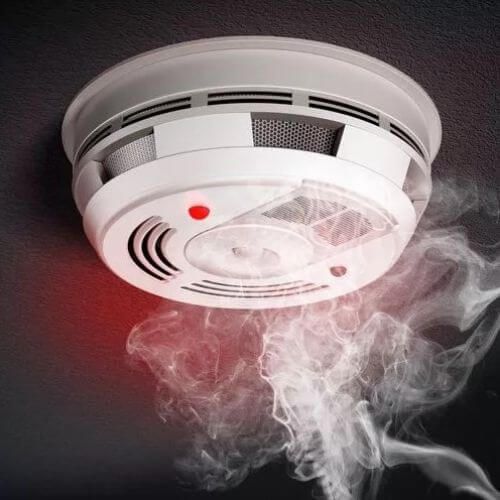
? What is a Smoke Detector
It is a device that is widely used in fire detection systems due to its capability of detecting...
Read More
? What is a Smoke Detector
It is a device that is widely used in fire detection systems due to its capability of detecting...
Read More
? What is a Smoke Detector
It is a device that is widely used in fire detection systems due to its capability of detecting...
Read More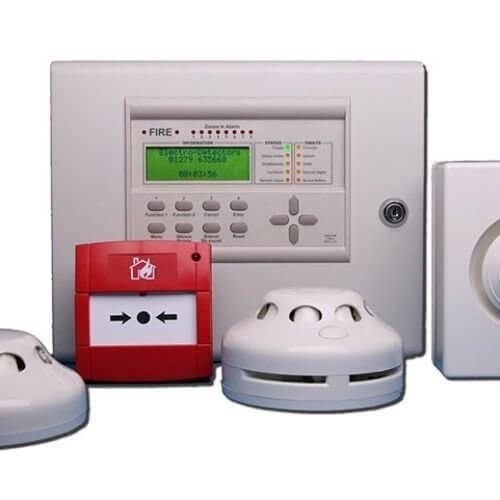
? What Are Fire Detectors
samsungWhat Are Fire Detectors? Fire detectors are devices that sense smoke, heat, or flames and...
Read More
? What Are Fire Detectors
samsungWhat Are Fire Detectors? Fire detectors are devices that sense smoke, heat, or flames and...
Read More
? What Are Fire Detectors
samsungWhat Are Fire Detectors? Fire detectors are devices that sense smoke, heat, or flames and...
Read More